How do you buy groceries at local marts versus large hypermarkets in Korea?
Large hypermarkets serve as comprehensive one-stop centers for pantry stocking, while neighborhood grocers handle quick day-to-day essentials. Retail giants such as E-Mart (이마트) and Lotte Mart (롯데마트) feature extensive floors packed with cooking condiments, bulk grains, fresh agricultural produce, cookware, and general household items. Major destinations such as E-Mart Eunpyeong in Seoul and Lotte Mart Sasang in Busan provide expansive spaces that simplify weekly provisioning. In addition to broad grocery aisles, these major branches run designated tax refund services where eligible foreign passport holders can process immediate tax refunds or obtain documentation to claim refunds on applicable goods before traveling onwards.

For midweek meals, neighborhood marts (동네 마트) and regional grocers like New World Mart sit close to residential buildings. These local grocers focus on staple cooking ingredients such as seasonal vegetables, tofu, eggs, alliums, and culinary necessities at competitive rates. Because independent neighborhood grocers operate close to apartment districts, stepping downstairs for a missing dinner ingredient takes only a few minutes. Independent shops also keep different schedules from hypermarkets. When hypermarkets are closed, local neighborhood marts remain open to supply daily food supplies.
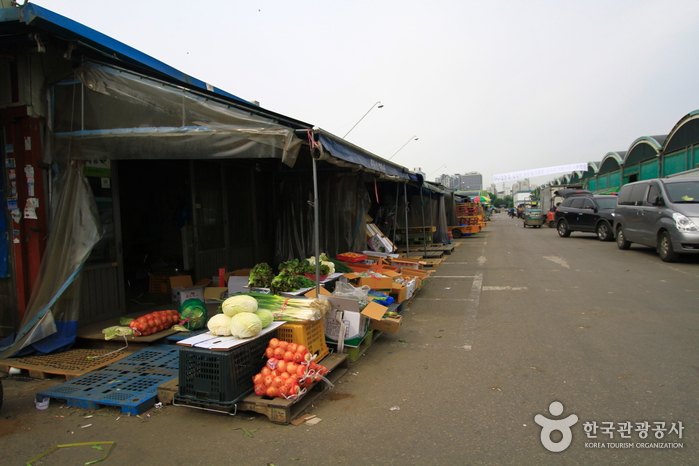
Traditional permanent and rotating regional markets, such as Danyang Gugyeong Traditional Market, offer an alternate way to stock an apartment kitchen. These bustling markets host vendors selling wild greens, mountain herbs, beans, garlic, and fresh agricultural and marine products. Combining bulk trips to hypermarkets for store-brand dry goods with quick runs to neighborhood produce stands ensures your self-catering apartment remains well-stocked without overspending on transport or pre-packaged goods.
Why do supermarkets ask you to buy standard waste bags at the register?
Korean supermarket checkouts do not offer complimentary single-use carrier bags because national retail regulations mandate a pay-as-you-go waste system called jongnyangje (종량제). This statutory policy requires households to purchase authorized municipal disposal bags, ensuring residents pay directly for the volume of refuse they discard while encouraging recycling.
When you unload your groceries onto the register conveyor belt, the cashier will ask whether you brought your own tote bag or need to purchase a bag. If you do not have a tote or backpack, you can request an official volume-rate bag (종량제 봉투). The cashier scans a durable plastic bag that functions as your shopping tote on the walk home and doubles as the official general waste liner for your apartment rubbish bin. This simple system prevents extra plastic waste by ensuring every bag taken from the register fulfills a required household role.
These municipal waste bags are strictly district-specific. A standard general waste bag purchased at a hypermarket in one district cannot legally be put out for collection in a neighboring district or municipality. Waste management contractors will not pick up unauthorized sacks left outside residential doorways. When settling into a kitchen for multiple weeks, purchasing these dual-purpose bags at checkout provides your apartment with official disposal bags while keeping your initial grocery haul intact.
When settling into an extended stay at our Seoul serviced residences, keeping a small supply of these authorized bags makes daily kitchen upkeep straightforward while ensuring your household remains aligned with local residential practices.
How does food waste disposal work after cooking in a Korean apartment?
Kitchen food waste (음식물 쓰레기) generated from cooking must be separated strictly from dry recyclables and standard household trash according to municipal regulations. Organic scraps are handled under dedicated collection streams to divert wet materials away from ordinary landfills and municipal incinerators.

Before taking food scraps out of your kitchen, you must drain away all excess liquid. Depending on your building type, the municipality requires you to pack drained organic scraps into small, color-coded food-waste bags or carry them down to specialized residential collection bins situated in the waste disposal area. Many modern residential buildings install automated communal collection bins that unlock when residents tap an electronic keycard or resident tag, while smaller multi-unit villas require purchasing designated food-waste bags from local marts and placing them curbside on designated collection evenings.
Korean waste rules define food waste strictly as organic material that livestock can consume. Hard animal bones, tough eggshells, crab and clam shells, thick fruit pits, onion skins, and tea bags are excluded from the organic waste stream and belong inside your general volume-rate trash bag. Draining scraps thoroughly and sorting them into a separate lidded container in your kitchen keeps food odor minimal and ensures your apartment disposal complies with municipal regulations throughout your stay.
Frequently asked questions
Can I use a supermarket trash bag in a different district?
No, official volume-rate bags are valid only within the specific administrative district or municipality where you bought them. If you move across district lines, local collection teams in the new district will not pick up bags issued by another municipality.
What store-brand products are available for budget grocery shopping?
Major chains offer dedicated private labels, including E-Mart's No Brand line, which packages kitchen staples, cooking condiments, canned goods, and household paper items at lower price points suited for stocking self-catering long-stay kitchens.
Do large Korean supermarkets close on weekends?
Many major hypermarkets are legally required to close twice a month, frequently on the second and fourth Sunday. Local neighborhood grocers, traditional markets, and small produce shops usually stay open during those mandatory closure dates.
Do eggshells and chicken bones count as food waste in Korea?
No, eggshells, animal bones, crab shells, and onion skins are classified as general waste. They must go into your standard volume-rate bag rather than the dedicated organic food waste stream.
Updated 15 November 2026
Sources
- E-Mart Manchon: Major supermarket chains in Korea, such as E-Mart and Lotte Mart, serve as one-stop hubs offering groceries, fresh produce, household goods, and tax refund facilities Long-stay visitors stocking self-catering kitchens can balance bulk staples and affordable store-brand goods from hypermarket retail networks (such as E-Mart's No Brand lines) with fresh local items from neighborhood marts
- E-Mart Eunpyeong: Major supermarket chains in Korea, such as E-Mart and Lotte Mart, serve as one-stop hubs offering groceries, fresh produce, household goods, and tax refund facilities
- Lotte Mart Sasang: Major supermarket chains in Korea, such as E-Mart and Lotte Mart, serve as one-stop hubs offering groceries, fresh produce, household goods, and tax refund facilities
- New World Mart: Neighborhood marts and local grocery branches provide accessible daily essentials and fresh foodstuffs close to residential areas at competitive prices Long-stay visitors stocking self-catering kitchens can balance bulk staples and affordable store-brand goods from hypermarket retail networks (such as E-Mart's No Brand lines) with fresh local items from neighborhood marts
- Danyang Gugyeong Traditional Market: Neighborhood marts and local grocery branches provide accessible daily essentials and fresh foodstuffs close to residential areas at competitive prices