What are the best hours to visit for fresh produce and bargains?
The agricultural and fishery sections run around the clock, but consumer shoppers find the smoothest experience between 08:30 and 21:30.

At Garak Market [가락동 농수산물도매시장], direct sales between sellers and consumers take place every day alongside scheduled commercial wholesale auctions. As Korea's first public wholesale agricultural products market, the grounds encompass 543,451 square meters across more than 17 buildings. The agricultural and fishery markets originally opened in 1985, followed by the livestock market in 1986 and additional direct sales facilities in 1988.
Seafood auctions kick off between 02:00 and 05:00, when fresh catches arrive directly from coasts all around Korea. Pre-dawn hours can feel hectic due to moving carts and transport vehicles, making late morning far more comfortable for everyday cooking runs. Fruit and vegetable direct transactions run daily, though prices fluctuate depending on product conditions and market supply.
The agricultural and fishery sections operate 24 hours a day, but both close on Sundays, New Year's Day, Seollal, and Chuseok holidays. The livestock market in Building 2 runs from 04:00 to 22:00, while livestock auctions take place twice a day at 10:30 and 14:30. In addition to regular Sunday and traditional holiday closures, the livestock section shuts down on general public holidays. For operating schedules and seasonal notices, check the detailed overview on the Visit Korea guide to Garak Market or verify listings via the Visit Korea shopping attractions directory.
How do wholesale grocery prices compare to standard supermarkets?
Buying produce and seafood directly from wholesale stalls at Garak Market is typically ten to twenty percent cheaper than downtown big-box marts, with even steeper savings when buying fruit by the box.
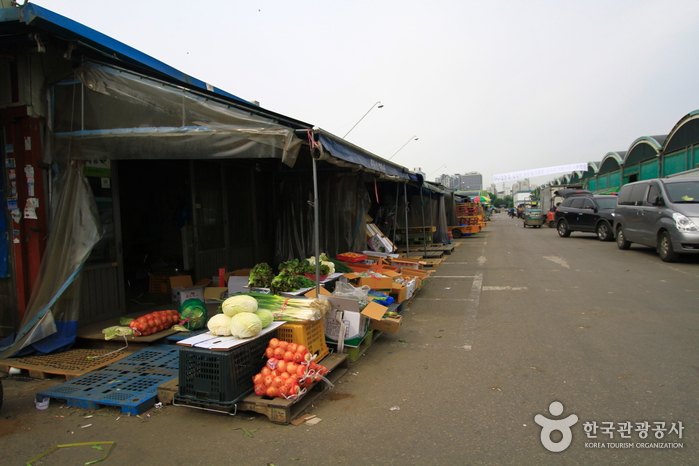
Central supermarkets package vegetables in small containers designed for single quick meals, but those portions include substantial packaging and logistics markups. Garak Agricultural Market accounts for 90 percent of the marketplace's total transaction volume. With around 1,370 stalls selling fruits and vegetables, competition among independent sellers maintains affordable price points across seasonal produce.
When buying pantry staples in volume—such as full crates of root vegetables, multiple heads of cabbage, or standard bundles of garlic and onions—shoppers bypass intermediary retail costs. Fresh seafood stalls in the fishery wing also sell direct catches roughly 10 to 20 percent cheaper than normal market prices. If you consume fruit regularly, purchasing entire boxes of seasonal harvests like summer melons, persimmons, or strawberries yields major savings compared to central department store food halls. The fishery stalls receive daily deliveries directly from coastal ports throughout the country, ensuring wholesale prices remain steady and significantly lower than standard commercial retail outlets across Seoul.
Having an apartment kitchen during an extended stay makes these bulk savings practical. If you settle into a furnished base like /en/stays/seoul/garak/, you can stock a full-size refrigerator with fresh greens, eggs, and seasonal seafood straight from the wholesale floor, turning simple market runs into daily home cooking.
What is the proper etiquette when buying from stall vendors?
Wholesale prices reflect open daily auction results, so aggressive haggling is discouraged, though polite bulk purchases often earn small discounts or bonus produce.
Direct sales prices can change drastically day by day depending on the conditions of the products and the other vendors. Because rates are tied directly to daily supply arrivals, pushing for heavy markdowns on small retail portions can disrupt transactions. Shoppers should instead observe posted price signs or inquire respectfully about daily rates for full crates or cartons.
Purchasing multiple items from one stall also fosters market goodwill. Vendors regularly practice complimentary service by tucking an extra bunch of greens or a handful of chili peppers into your bag. Stall keepers appreciate when customers bring their own sturdy carrier bags or small rolling carts, as crates of produce and heavy seafood containers require significant effort to transport across the expansive market halls.
Visitors arriving by private vehicle or taxi can access the dedicated on-site parking facilities. Parking costs nothing for the first 15 minutes, charges 1,000 won for the first two hours, and adds 500 won for every additional 10 minutes thereafter.
Frequently asked questions
Can regular retail customers buy single items at Garak Market?
Yes, individual shoppers can purchase items directly. While wholesale stalls prioritize crates and bundles, many stalls in the agricultural section and the retail counters in Garak Mall sell smaller portions, single melons, and everyday bundles of vegetables to neighborhood residents.
Is Garak Market open on Sundays?
The wholesale agricultural, fishery, and livestock markets are closed on Sundays, as well as on major traditional holidays like Seollal and Chuseok. However, select independent restaurants and general retail facilities inside the complex maintain their own schedules.
Do stall vendors at Garak Market accept foreign credit cards?
Most permanent counters and modern retail shops accept standard cards, but independent wholesale stall keepers prefer cash for direct sales. Carrying cash ensures smoother transactions and allows vendors to round down small totals on crate purchases.
Where is Garak Market located in Seoul?
The market is located at 932 Yangjae-daero in Songpa-gu, southeastern Seoul.
Updated 11 November 2026
Sources
- Visit Korea guide to Garak Market: Official sources confirm key details for navigating Garak Wholesale Market (가락동 농수산물도매시장) in Songpa-gu, Seoul (checked November 10, 2026 via *Visit Korea*) **Layout & Fresh Produce:** Spanning over 540,000 square meters across 17 buildings, Garak is Korea's first public wholesale agricultural market It features designated wholesale wings alongside the modern retail complex (Garak Mall), with distinct dedicated zones for fruits, vegetables, livestock, and marine products General consumer retail counters operate throughout daytime and evening hours (approx. 08:30–21:30) **Pricing & Value:** Direct wholesale purchasing significantly undercuts mainstream downtown supermarket rates, especially when buying seasonal fruits by the box or produce in standard bulk bundles
- Visit Korea shopping attractions directory: Official sources confirm key details for navigating Garak Wholesale Market (가락동 농수산물도매시장) in Songpa-gu, Seoul (checked November 10, 2026 via *Visit Korea*) **Hours & Best Times:** While the broader market operates around the clock **Pricing & Value:** Direct wholesale purchasing significantly undercuts mainstream downtown supermarket rates, especially when buying seasonal fruits by the box or produce in standard bulk bundles