What are the key details at a glance?
Seoul contemporary art museums represent dedicated institutional and independent exhibition spaces throughout South Korea's capital that preserve, commission, and display visual art created from the twentieth century to the present day.
Which museums focus on contemporary Korean art?
Seoul balances public state institutions with world-renowned private foundations, giving visitors an unhurried look at both historic modern works and boundary-pushing contemporary projects.
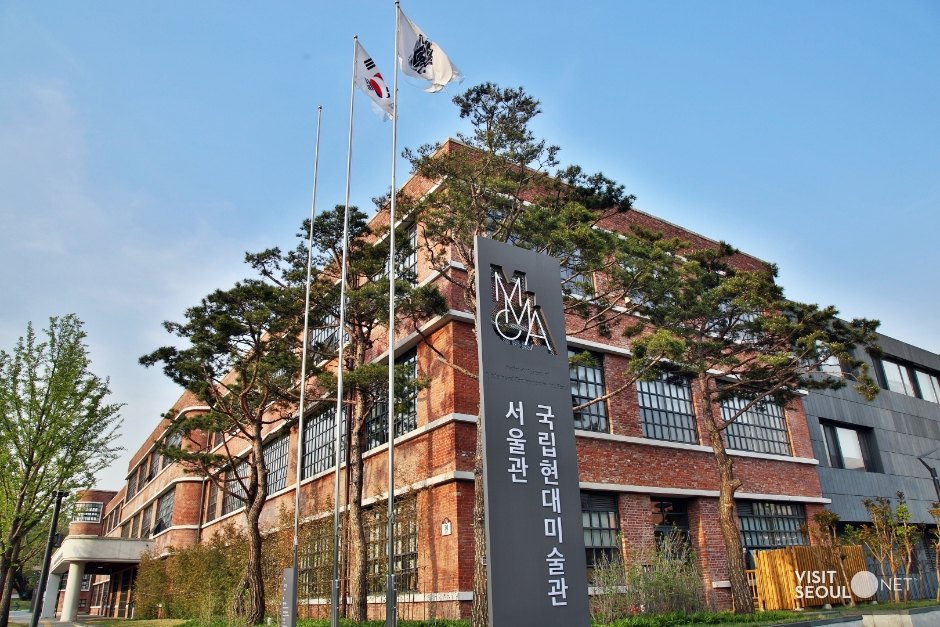
The civic centerpiece of Korea's visual arts landscape is the National Museum of Modern and Contemporary Art, Seoul (국립현대미술관 서울관), commonly called MMCA Seoul. Opened in 2013 in Sogyeok-dong as a city venue of the MMCA, this museum sits on a historic site where developments were achieved during the Joseon dynasty and after the Korean War. The architecture is organized around an open central madang (마당), an open courtyard design drawn from traditional Korean residential building philosophy where visitors can gather outdoors between gallery wings. The museum focuses on cutting-edge experimental works, film, and multimedia installations. Its permanent collection exhibitions are free to enter, while admission to rotating special exhibitions varies by program. MMCA Seoul operates from 10:00 to 18:00 most days, staying open until 21:00 on Wednesdays and Saturdays.
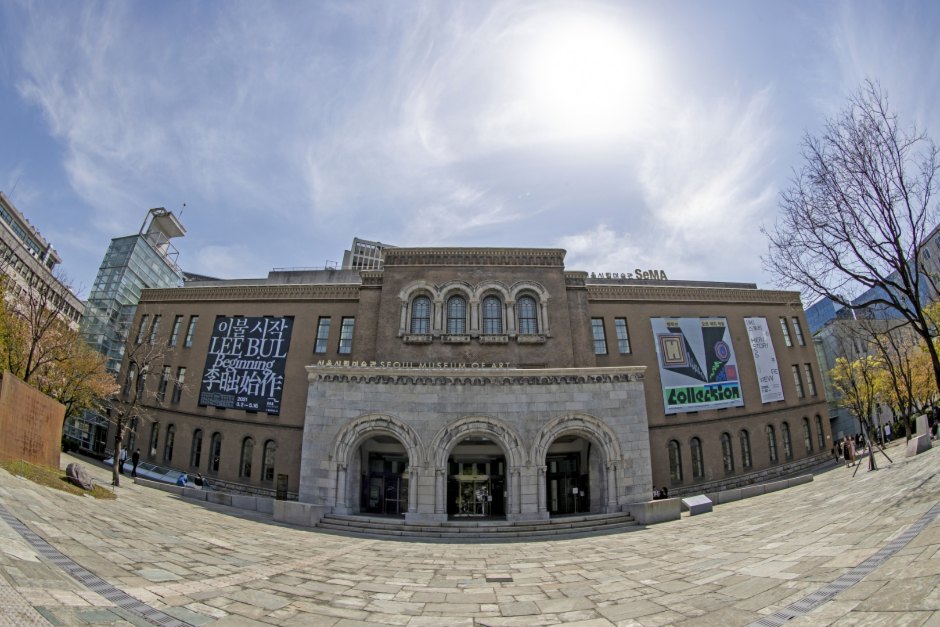
South of Gyeongbokgung, the Seoul Museum of Art (서울시립미술관 서소문본관), known as SeMA, occupies a distinctive site on Deoksugung-gil in Jeong-dong. The building integrates the red-brick facade of Korea's former Supreme Court with a bright modern interior and an outdoor sculpture garden. SeMA focuses heavily on curated thematic exhibitions, modern Korean artists, and community-engaged contemporary projects. Operating hours run from 10:00 to 20:00 on weekdays, with weekend and holiday closing hours shifting between 18:00 in winter and 19:00 from March to October. The museum is closed on Mondays and January 1.
Across the river ridge in Yongsan-gu, the Leeum Museum of Art (삼성미술관 리움) in Hannam-dong houses one of Asia's most revered private collections. Its campus features structures designed by celebrated architects Mario Botta, Jean Nouvel, and Rem Koolhaas. While Museum 1 holds traditional national treasures, Museum 2 is dedicated entirely to modern and contemporary art by Korean and international figures. General admission tickets are 10,000 won, with digital interactive guides available for 1,000 won. The museum operates from 10:30 to 18:00 and closes on Mondays.
What are the best neighborhoods for gallery hopping?
The gallery ecosystem in Seoul clusters into distinct walkable pockets, making it easy to spend quiet afternoons stepping between commercial spaces, bookshops, and neighborhood cafes.

The historic heart of commercial contemporary art remains Samcheong-dong and adjacent Bukchon (북촌), situated north of Cheonggyecheon (청계천). Walking up Samcheong-ro past MMCA brings you to several foundational spaces. The Kumho Museum of Art (금호미술관) has showcased innovative young practitioners and influential Korean modernists since opening its Samcheong-ro location in 1996. Kukje Gallery is a major venue located along Samcheong-dong Street. Nearby, PKM Gallery and K.O.N.G. Gallery occupy light-filled spaces framing views over the surrounding hills and hanok rooftops. PKM Gallery opens Tuesday through Saturday from 10:00 to 18:00, while K.O.N.G. Gallery opens Tuesday through Saturday from 10:30 to 17:30.
In central Seoul, the printing alleys and light-industrial quarters of Euljiro (을지로) and neighboring Insa-dong (인사동) offer an alternative perspective. Euljiro in particular has evolved into an incubator for independent project rooms, artist-run spaces, and micro-galleries set inside multi-story post-war manufacturing buildings.
South toward the river, Hannam-dong forms an international enclave centered around Leeum. The district is lined with blue-chip commercial spaces and independent spaces tucked along quiet residential lanes. For travelers basing themselves in town for a few weeks or months, having a steady home base in Seoul makes exploring these quiet corners effortless. You can find comfortable long-stay apartments suited for art lovers through /en/stays/seoul/, allowing you to revisit your favorite museum wings on calm weekday mornings.
When do major seasonal art fairs take place in Seoul?
Seoul's art market reaches its peak every year during early autumn, when the city hosts concurrent international fairs and coordinated gallery programs.
The annual calendar anchors on the joint presentation of Kiaf Seoul and Frieze Seoul, held in early September at the COEX convention center in Gangnam. Kiaf (Korea International Art Fair), organized by the Galleries Association of Korea, represents the country's longest-running international contemporary fair. In 2022, Frieze launched its first Asian fair alongside Kiaf at COEX, bringing more than 110 international galleries to the city to present twentieth-century masters and living contemporary artists alongside domestic exhibitors.
Running alongside these fairs is Seoul Art Week, an initiative organized by the Seoul Metropolitan Government that links the major fairs with more than one hundred galleries, alternative spaces, and public institutions across the capital. During this week, neighborhood networks like Euljiro host dedicated evening opening programs where small project spaces remain open late for public talks, screenings, and special performances. If you plan to visit Seoul in September, booking fair tickets online well ahead of arrival is recommended.
Frequently asked questions
Are English translations standard at Seoul contemporary art museums?
Yes, English accessibility is standard at all primary public art museums and major private galleries in Seoul. MMCA Seoul, SeMA, and the Leeum Museum of Art provide bilingual Korean and English exhibition wall text, printed gallery maps, and digital smartphone or handheld audio guides. In the Samcheong-dong commercial gallery district, spaces like PKM Gallery and Kukje Gallery provide printed English exhibition statements at the front reception desk.
Do you need advance reservations to visit Seoul art galleries?
Major institutions like the Leeum Museum of Art and popular temporary special exhibitions at MMCA Seoul frequently recommend or require advance online ticketing, particularly on weekends. Permanent collection halls at MMCA Seoul and SeMA generally allow same-day walk-in access without advance reservation.
Are art galleries in Seoul closed on specific weekdays?
Most museums and commercial galleries in Seoul close on Mondays. MMCA Seoul is an exception, remaining open seven days a week outside of major statutory holidays such as New Year's Day, Seollal, and Chuseok. SeMA Seosomun, the Leeum Museum of Art, and the Kumho Museum of Art observe Monday closures. Independent commercial galleries in Samcheong-dong, such as PKM Gallery and K.O.N.G. Gallery, regularly close on both Sundays and Mondays.
Is photography allowed inside Seoul contemporary art exhibitions?
Photography rules depend on the specific artist and institution. At MMCA Seoul and SeMA, non-flash mobile phone photography is permitted in most permanent and modern collection rooms unless an individual artist copyright restriction applies. Certain loan retrospectives, delicate video installations, or private foundation exhibitions at Leeum restrict photography entirely or limit shots to designated sculpture courts and architectural foyers. Always check the sign at the gallery threshold before shooting.
Updated 10 November 2026
Sources
- National Museum of Modern and Contemporary Art, Seoul: **Contemporary Art Institutions**: The National Museum of Modern and Contemporary Art (MMCA Seoul) in Sogyeok-dong is Korea's flagship contemporary institution, constructed with modern exhibition wings integrated around a traditional *madang* (open courtyard)
- Seoul Museum of Art: The Seoul Museum of Art (SeMA Seosomun main branch) near Deoksugung offers rotating modern and contemporary collections in a preserved historic facade
- Leeum Museum of Art: In Hannam-dong, the Leeum Museum of Art showcases modern and contemporary Korean and international masterpieces alongside historical treasures across architecture designed by Mario Botta, Jean Nouvel, and Rem Koolhaas *Hannam-dong / Itaewon*: Centered around Leeum and blue-chip contemporary outposts
- Kumho Museum of Art: *Samcheong-dong / Bukchon*: The premier cluster north of Cheonggyecheon for independent and commercial contemporary art, housing major venues such as PKM Gallery, Kukje Gallery, K.O.N.G Gallery, and Kumho Museum of Art alongside traditional hanok streetscapes
- K.O.N.G. Gallery: *Samcheong-dong / Bukchon*: The premier cluster north of Cheonggyecheon for independent and commercial contemporary art, housing major venues such as PKM Gallery, Kukje Gallery, K.O.N.G Gallery, and Kumho Museum of Art alongside traditional hanok streetscapes
- PKM Gallery: *Samcheong-dong / Bukchon*: The premier cluster north of Cheonggyecheon for independent and commercial contemporary art, housing major venues such as PKM Gallery, Kukje Gallery, K.O.N.G Gallery, and Kumho Museum of Art alongside traditional hanok streetscapes Top commercial galleries in Samcheong-dong also supply English artist sheets and statements
- Seoul Art Week: *Euljiro & Insa-dong*: Popular hubs featuring emerging alternative spaces, project rooms, and heritage galleries **Seasonal Art Fairs**: Seoul's marquee art fair season takes place annually in early September, anchored by **Frieze Seoul** and **Kiaf Seoul** (Korea International Art Fair) held jointly at COEX in Gangnam, accompanied citywide by **Seoul Art Week**
- Kiaf Seoul and Frieze Seoul: **Seasonal Art Fairs**: Seoul's marquee art fair season takes place annually in early September, anchored by **Frieze Seoul** and **Kiaf Seoul** (Korea International Art Fair) held jointly at COEX in Gangnam, accompanied citywide by **Seoul Art Week**