How do serviced residences differ from standard hotel rooms?
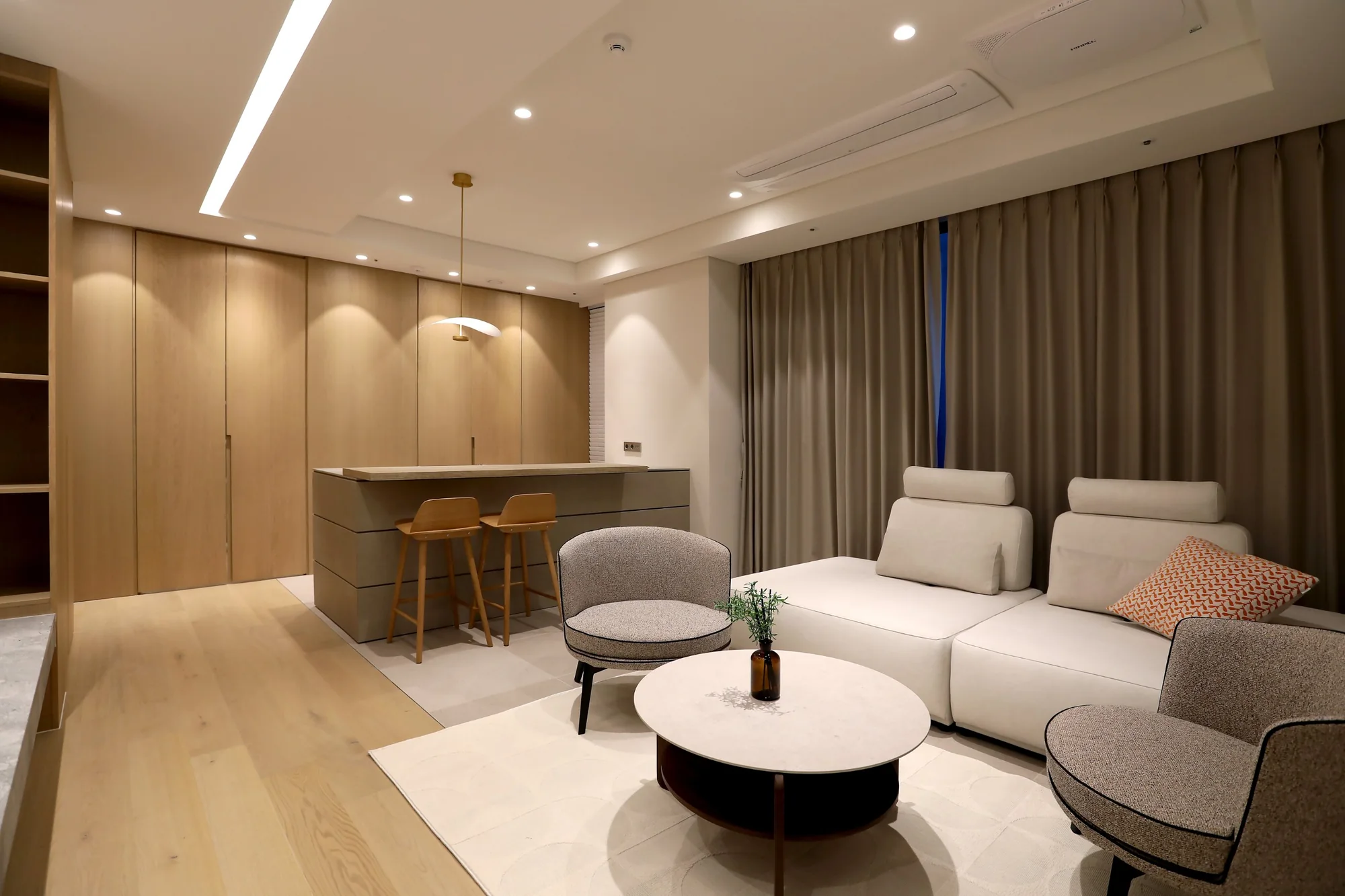
Serviced residences function as residential hotels that blend hotel services with the independent layout of an officetel (오피스텔) or furnished apartment. The primary entity in long-term temporary housing is the serviced residence, defined by Korean tourism authorities as a residential hotel that incorporates the comforts and spaces of both a standard hotel and an officetel. Unlike standard hotel rooms designed primarily for short leisure stays, residences are arranged for daily domestic life. According to the Visit Korea Short-term Leases and Residences guide, a serviced residence typically features a private kitchen, laundry appliances such as an in-unit washing machine, and three or four independent living spaces. This spatial separation allows remote workers and travellers to establish distinct areas for sleep, dining, and work without feeling confined to a single bedroom.
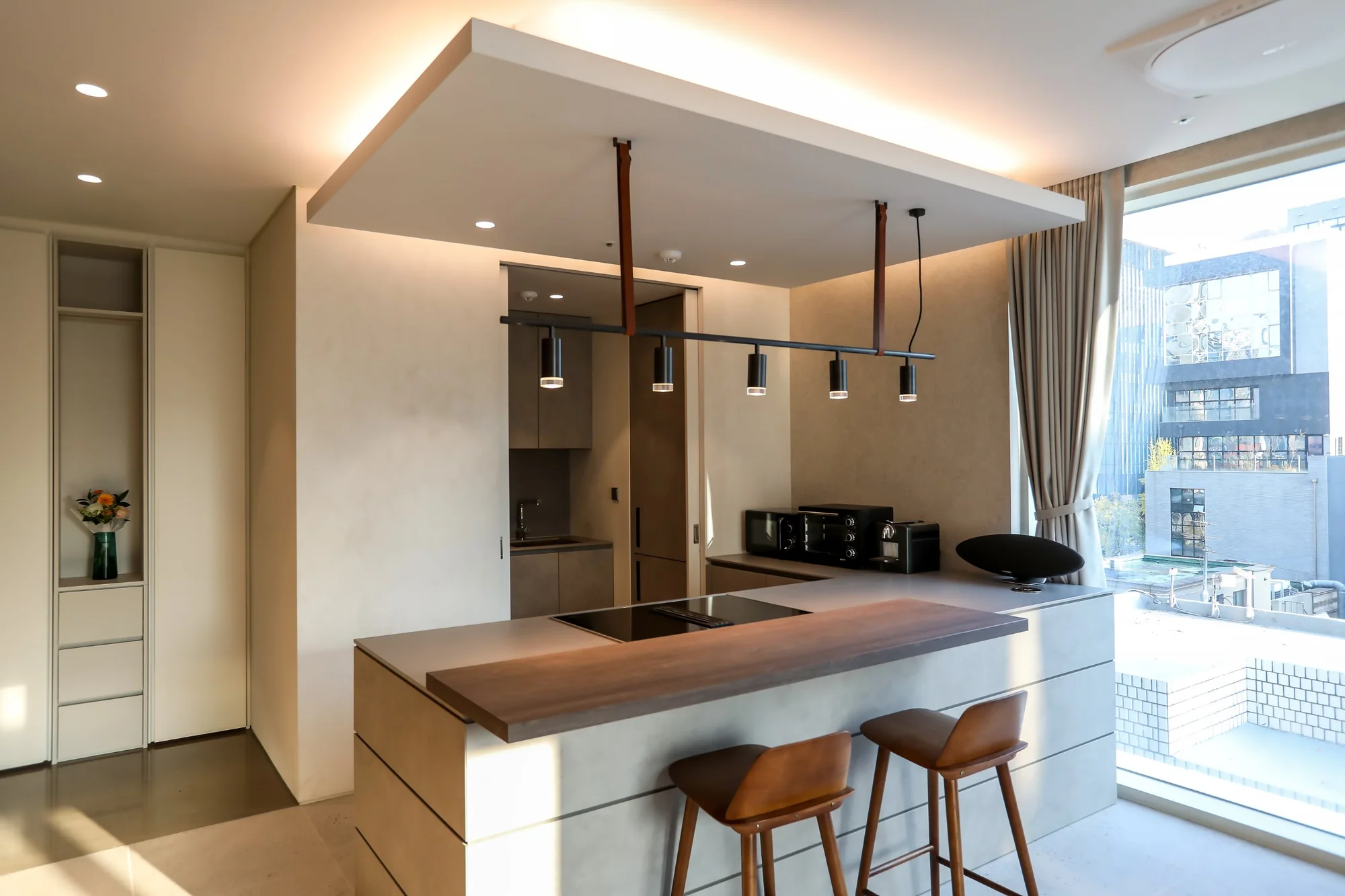
Standard hotels focus on short leisure or business visits. They provide daily housekeeping and front desk support, but they rarely include cooking facilities or in-room laundry. Having to send clothing to an external hotel laundry service or dining out for every single meal becomes tiring on a multi-week trip. Residences also routinely provide on-site fitness centres, rest areas, restaurants, internet facilities, and twenty-four-hour security systems for resident safety. Some properties even offer recreational activities to help long-term guests build friendships. While a standard hotel room offers convenience for a few nights, a serviced residence allows you to prepare groceries and manage laundry on your own domestic schedule.
| Accommodation Type | Kitchen Facilities | In-Unit Laundry | Typical Lease Commitment | Upfront Deposit Required |
|---|---|---|---|---|
| Serviced Residence | Full private kitchen | Washing machine included | Flexible, daily to monthly | Minimal or standard card hold |
| Standard Hotel | None or electric kettle only | Paid external hotel laundry | Daily or weekly | Standard credit card guarantee |
| Short-Term Officetel | Full private kitchen | Washing machine included | Several months up to one year | One to two months of rent |
| Traditional Lease | Full private kitchen | Washing machine space or unit | One to two years | Large lump sum or multi-month deposit |
Why is a traditional Korean lease impractical for a monthly stay?
Traditional residential leases in South Korea are structured around long-term tenancy systems that do not accommodate visitors staying only a few weeks or months. Standard Korean housing operates under two primary lease frameworks: jeonse (전세), which requires an extensive lump-sum deposit without monthly rent, and wolse (월세), which pairs a smaller cash deposit with regular monthly payments. As outlined by the Korea Tourism Organization, both jeonse and wolse arrangements almost universally mandate contracts of one or two full years. Attempting to negotiate these standard residential leases for a stay of two or three months is rarely possible through conventional real estate offices.
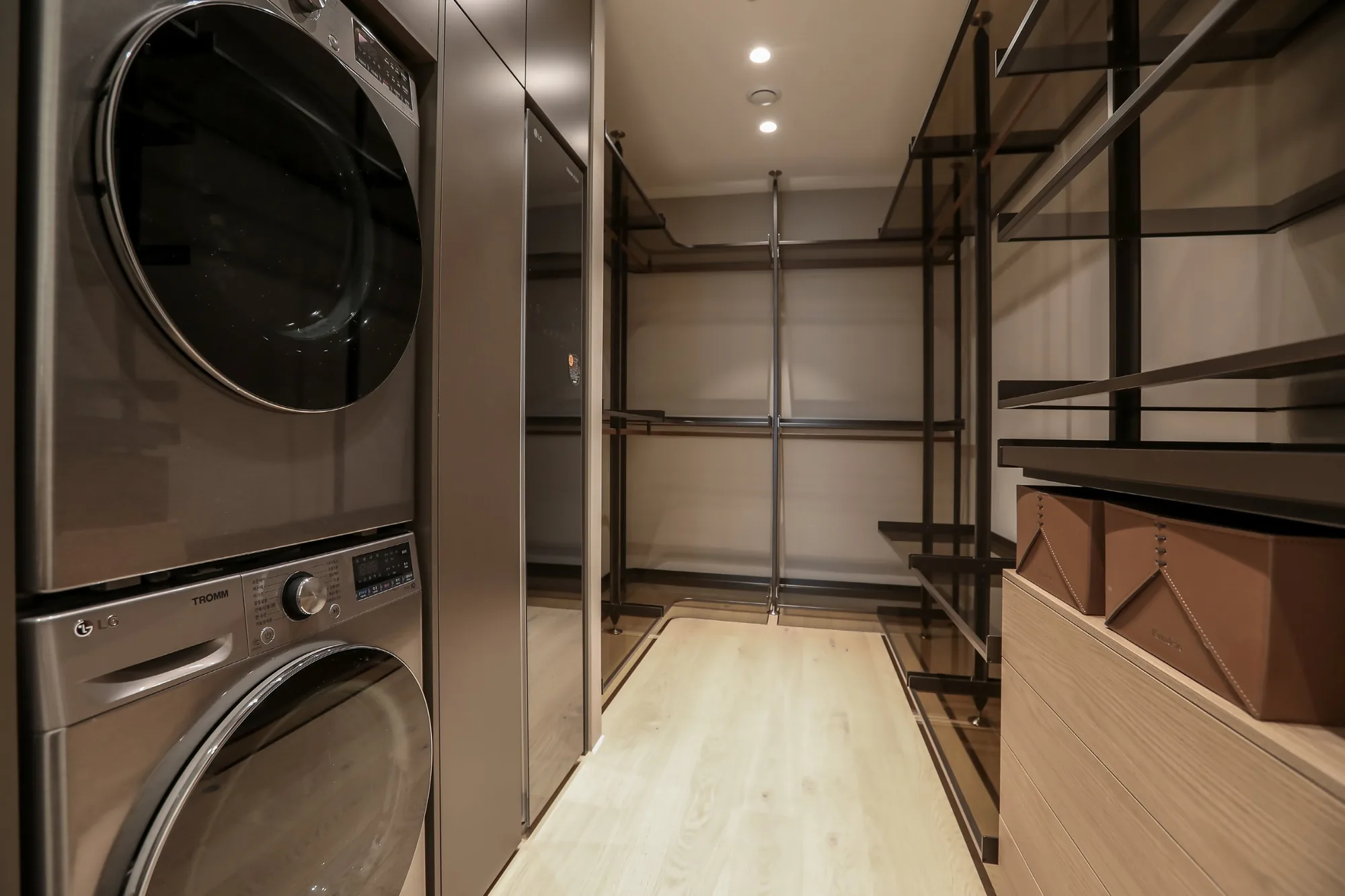
Beyond the rigid contract duration, the capital needed for conventional rental deposits is prohibitive for overseas visitors. A traditional wolse deposit can lock up substantial funds for the duration of a lease, and standard residential apartments come unfurnished, meaning you would need to purchase home appliances and furniture yourself. For visits lasting less than a year, official tourism authorities recommend seeking short-term furnished leases or serviced residences instead. In these specialised short-term arrangements, the upfront deposit is typically limited to one or two months of rent, and the units arrive fully furnished with a refrigerator, washing machine, and essential furniture.
What should you choose for a multi-week stay in Seoul?
Your choice between a hotel, a serviced residence, or a short-term furnished apartment in Seoul (서울) depends directly on the length of your stay and how much domestic routine you want to maintain. If you plan to spend two or three weeks exploring central districts like Myeongdong (명동), wandering near Insadong (인사동), or walking alongside Cheonggyecheon (청계천) while eating every meal at neighbourhood eateries, a traditional hotel can be convenient. However, if your trip extends beyond a week, hotel living often feels restrictive due to the lack of private food storage, cooking amenities, and personal laundry facilities.
For visitors staying six nights or longer, government-recognised extended-stay options provide better rates and living layouts. For instance, the Living-In-Hotel platform on Visit Korea offers dedicated extended reservations starting from 261,000 KRW for a six-night booking across partner hotels and residences in Seoul and other provinces like Gyeonggi-do, Busan, and Jeju. These packages give long-stay guests discounted tier pricing alongside customer support in Korean and English. Opting for a serviced residence or short-term officetel ensures you have a private kitchen and laundry equipment, giving you the quiet rhythm of an authentic neighbourhood base.
If you prefer a quiet residential atmosphere with personal comforts and easy access to Seoul's historic core, consider booking a preserved home stay like /en/stays/seoul/seochon-hanok/ for a distinctive local experience.
Frequently asked questions
What is the main functional difference between a hotel and a serviced residence in Korea?
A serviced residence is designed for extended domestic living, providing a private kitchen, in-room washing machine, and divided living spaces. Standard hotels focus on shorter stays and provide daily room services, but they typically lack private cooking appliances and in-unit laundry machines.
Can foreigners rent a short-term apartment in Seoul without a two-year lease?
Yes, travellers staying several months can arrange short-term leases or book serviced residences and furnished officetels. These arrangements avoid the strict one- to two-year commitments of traditional jeonse or wolse contracts and generally ask for a deposit equal to only one or two months of rent.
Are utilities and furnishings included in short-term Seoul residences?
Fully furnished residences and officetels generally include essential furniture, a refrigerator, a washing machine, and internet access. Utility billing structures and linen services vary by property, so verify whether electricity, water, and heating are bundled into the rental rate before confirming your reservation.
What is the Living-In-Hotel programme mentioned by the Korea Tourism Organization?
It is an extended-stay booking service featured by Visit Korea that offers accommodation reservations for stays of six nights or more. The platform partners with hotels and residences across Seoul and other regions, with promotional bookings starting from 261,000 KRW for six nights.
Updated 11 November 2026
Sources
- Visit Korea Short-term Leases and Residences guide: According to the Korea Tourism Organization (Visit Korea, checked November 10, 2026), long-term accommodations in Korea are categorised by clear functional differences **Serviced Residences vs Standard Hotels**: A serviced residence functions as a residential hotel, combining hotel amenities with the practical features of an officetel or apartment Unlike traditional hotel rooms that focus primarily on short stays and leisure, serviced residences feature in-unit kitchens, separated multi-room living and work spaces, laundry appliances (washing machines), and on-site fitness and business facilities, making them suitable for long-term domestic life and remote work **Short-Term Leases & Corporate Arrangements**: Standard residential leases in Korea typically operate on *jeonse* (large lump-sum deposit) or *wolse* (deposit plus monthly rent) requiring one- to two-year commitments For travellers or corporate assignees staying several months (less than a year), short-term leases or fully furnished officetels and residences are recommended, as they generally require an upfront deposit equivalent to only one or two months of rent rather than the prohibitive deposits of traditional real-estate contracts
- Living-In-Hotel platform on Visit Korea: **Long-Stay Booking Platforms**: Dedicated extended-stay booking channels recognized by tourism authorities (such as the *Living-In-Hotel* initiative) cater to visitors staying six nights or longer with discounted tier pricing across hotels and residences